How to Maintain Hygiene Standards Across Large Educational Facilities
Maintaining hygiene standards in educational environments is essential.
But in larger facilities - whether multi-building schools, colleges, or campuses - it becomes significantly more complex.
With high footfall, shared spaces, and constant movement throughout the day, maintaining consistent standards requires more than just a standard cleaning routine. It demands structure, coordination, and a clear understanding of how the space is used. In environments where large numbers of students and staff share the same spaces, maintaining visible, reliable cleaning standards is essential for building confidence and reassurance across the entire facility.
The Challenge of Scale
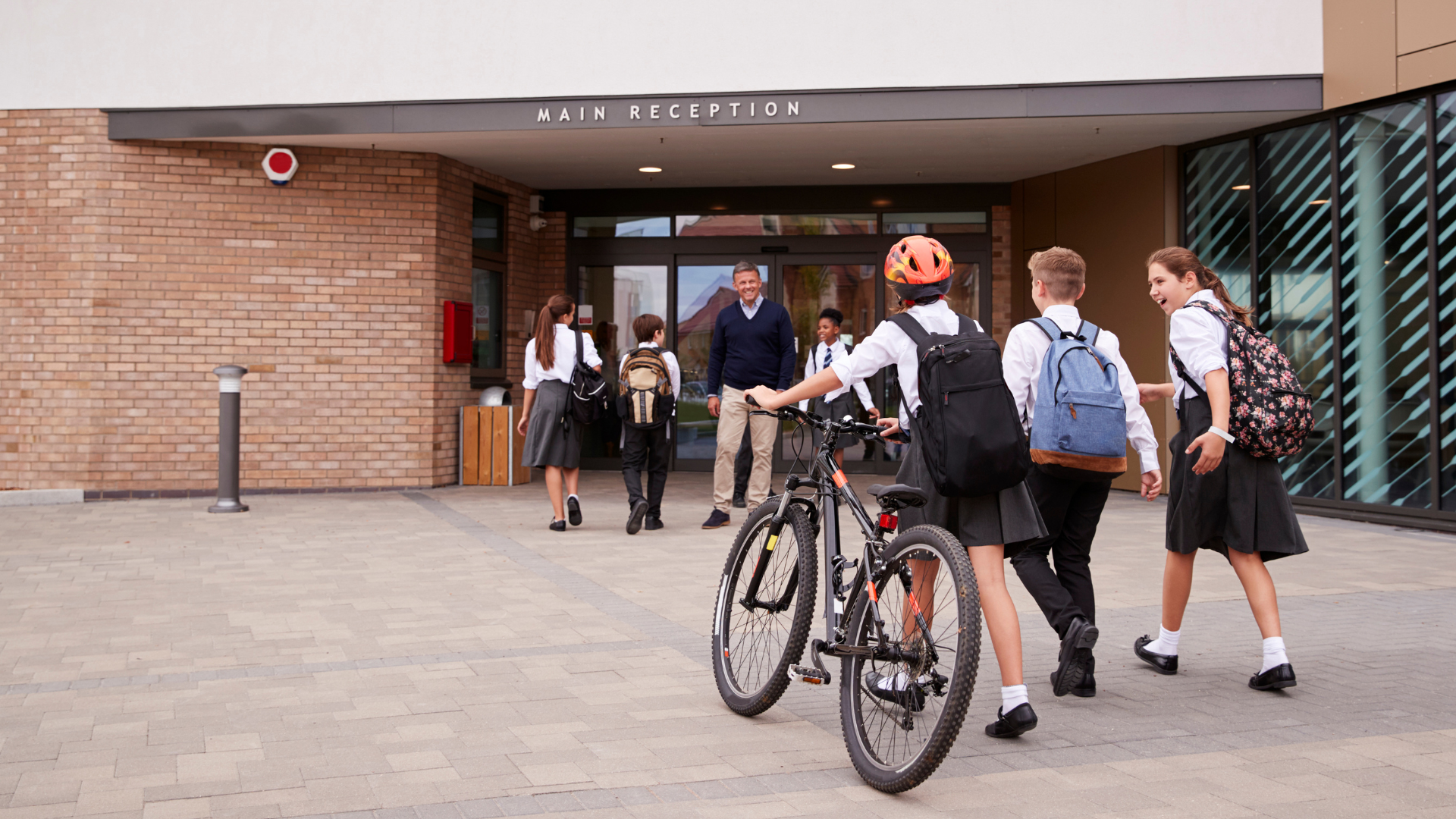
Large educational facilities bring unique challenges when it comes to cleaning.
Multiple buildings, long corridors, shared amenities, and varied room usage all mean that no two areas require exactly the same approach. Some spaces, such as classrooms and staff areas, follow a more predictable pattern. Others, like dining halls, sports facilities, and washrooms, experience heavier and more varied use throughout the day.
Without a structured approach, it’s easy for certain areas to receive more attention than others - leading to inconsistencies in overall hygiene standards.
Prioritising High-Traffic Areas
In busy educational settings, not all areas carry the same level of demand.
Entrances, corridors, washrooms, dining areas, and communal spaces require more frequent attention due to the number of people using them throughout the day. These are often the areas where hygiene standards are most visible - and most quickly judged.
Focusing cleaning efforts on these high-traffic areas helps maintain a consistent standard across the wider facility, even during the busiest periods.
Structured Cleaning Schedules That Reflect Usage
A one-size-fits-all cleaning schedule rarely works in large educational environments.
Instead, cleaning should be structured around how different areas are used. This means aligning cleaning frequencies with peak times, ensuring that heavily used spaces are maintained throughout the day, not just before or after hours.
For example, washrooms and dining areas may require multiple checks and cleans during the day, while classrooms and staff areas may follow a more routine schedule outside of teaching hours.
This structured, usage-led approach helps ensure hygiene standards are maintained consistently across the entire facility, even during the busiest periods.
“No cleaning company will get it right immediately but in Rapid we found one that is willing to persevere and try to understand how we at Bristol Grammar School work. I can now honestly say that Rapid has got it right and are providing an excellent service for us.”
Bristol Grammar School
Managing High-Touch Points
In environments where hundreds or thousands of people interact daily, high-touch surfaces play a critical role in hygiene.
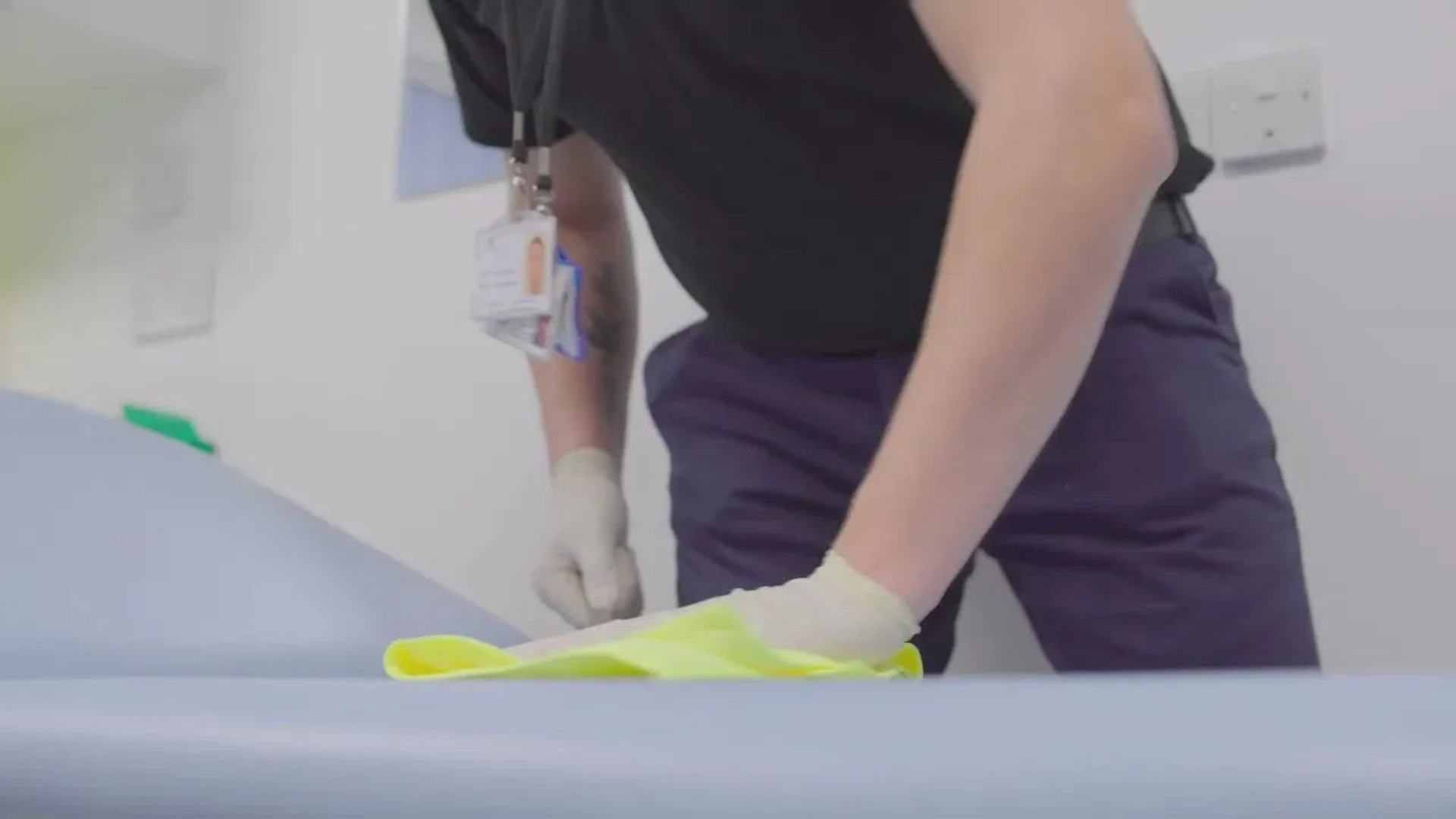
Door handles, handrails, desks, shared equipment, and touchpoints in communal areas all require regular and thorough cleaning. These areas can quickly become hotspots for bacteria if not consistently maintained.
A clear focus on these touchpoints, supported by the right products and processes, is essential for maintaining a safe, hygienic environment and reducing the risk of illness spreading.
The Importance of Communication and Coordination
In larger facilities, cleaning is rarely the responsibility of one individual. It often involves teams working across different areas and times of day.
This makes communication and coordination essential.
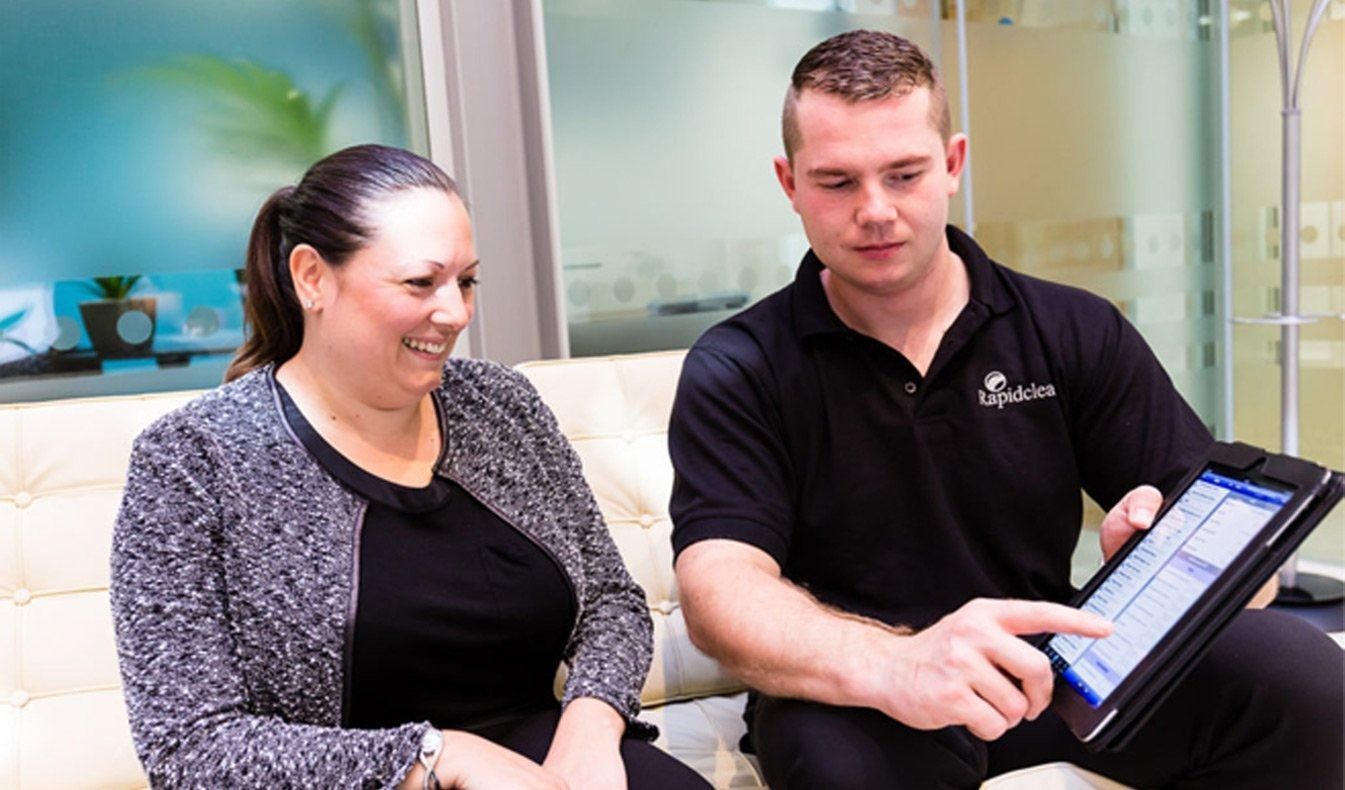
Clear schedules, defined responsibilities, and regular check-ins help ensure standards are maintained consistently and that no areas are overlooked. It also allows for adjustments to be made quickly when usage patterns change, helping maintain control across a complex environment.
Supporting Staff and Student Wellbeing
Cleanliness plays a key role in the overall experience of an educational environment, directly supporting student wellbeing, staff confidence, and day-to-day performance.
For students, a clean space supports focus, comfort, and a more positive learning experience. For staff, it creates a more organised and manageable working environment, allowing them to concentrate on their roles without distraction.
In larger facilities, where maintaining control can be more challenging, consistent cleaning helps create a sense of structure, care, and professionalism across the entire space.
How Rapid Clean Supports Educational Facilities
At Rapid Clean, we understand the complexities involved in maintaining hygiene standards across large educational environments.
We work closely with schools, colleges, and educational providers to develop tailored cleaning solutions that reflect how each facility operates. From managing high-traffic areas to maintaining consistent standards across multiple buildings, our approach is built around structure, reliability, and attention to detail.
Our experienced teams ensure that every area is maintained to a high standard, helping create a safe, clean, and well-managed environment for both students and staff.
Maintain High Standards Across Your Facility
If you’re responsible for a large educational facility and want to ensure hygiene standards are consistently maintained, it may be time to review your current approach.
Contact Rapid Clean today and discuss a tailored cleaning solution designed to maintain consistent, high standards across your entire facility.