
Reducing Our Carbon Footprint
The average person in the UK emits 13 tonnes of CO2 per annum. According to data from the Carbon Trust, the average small-to-medium enterprise (SME) in the UK generates around 15 tonnes of CO2 equivalent (tCO2e) annually. In this post we are going to look at carbon footprints and what we are doing to reduce ours...
What is a Carbon Footprint?
All people, businesses and organisations, have a unique carbon footprint. The derived figure is based on the total amount of greenhouse gases, mostly carbon dioxide, that are released into the atmosphere due to the way we live our lives and do business.
A carbon footprint is the sum of all the direct and indirect emissions a business emits. It’s calculated by summing the scope of emissions from every stage of a product or service’s lifetime.
Most Common Sources of Carbon Emissions for Businesses
There are different types of carbon emissions - direct and indirect. Emissions are generally categorized into three scopes: Scope 1 (direct emissions), Scope 2 (indirect emissions from energy use), and Scope 3 (other indirect emissions like supply chains).
Some of the most common sources of carbon emissions by a company are as follows:
- Energy consumption
- Transportation
- Supply Chain
- Industrial Processes
- Waste Management
The Benefits to Reducing an Organisation's Carbon Footprint
In 2020, businesses accounted for 18% of all UK greenhouse gas emissions. In December 2022, 30% of all businesses reported taking no action to reduce their carbon emissions. This is better than 46% in the previous year, but still a way to go!
The UK Government has urged businesses to take action to reduce emissions to contribute to the UK-wide net zero by 2050 target. There are a variety of advantages for a business in reducing their carbon emissions:
- Cost savings (particularly on energy bills)
- Improving brand image for all stakeholders
- Long-term sustainability
- Government incentives
Progress on Reducing Rapid Clean's Carbon Footprint
The truth is, no company can tackle everything all at once. We have recently gathered a small task force of people who are particularly passionate about improving our impact on the environment. One of the projects we have focused on, is reducing our energy usage (and costs) by implementing solar panels.
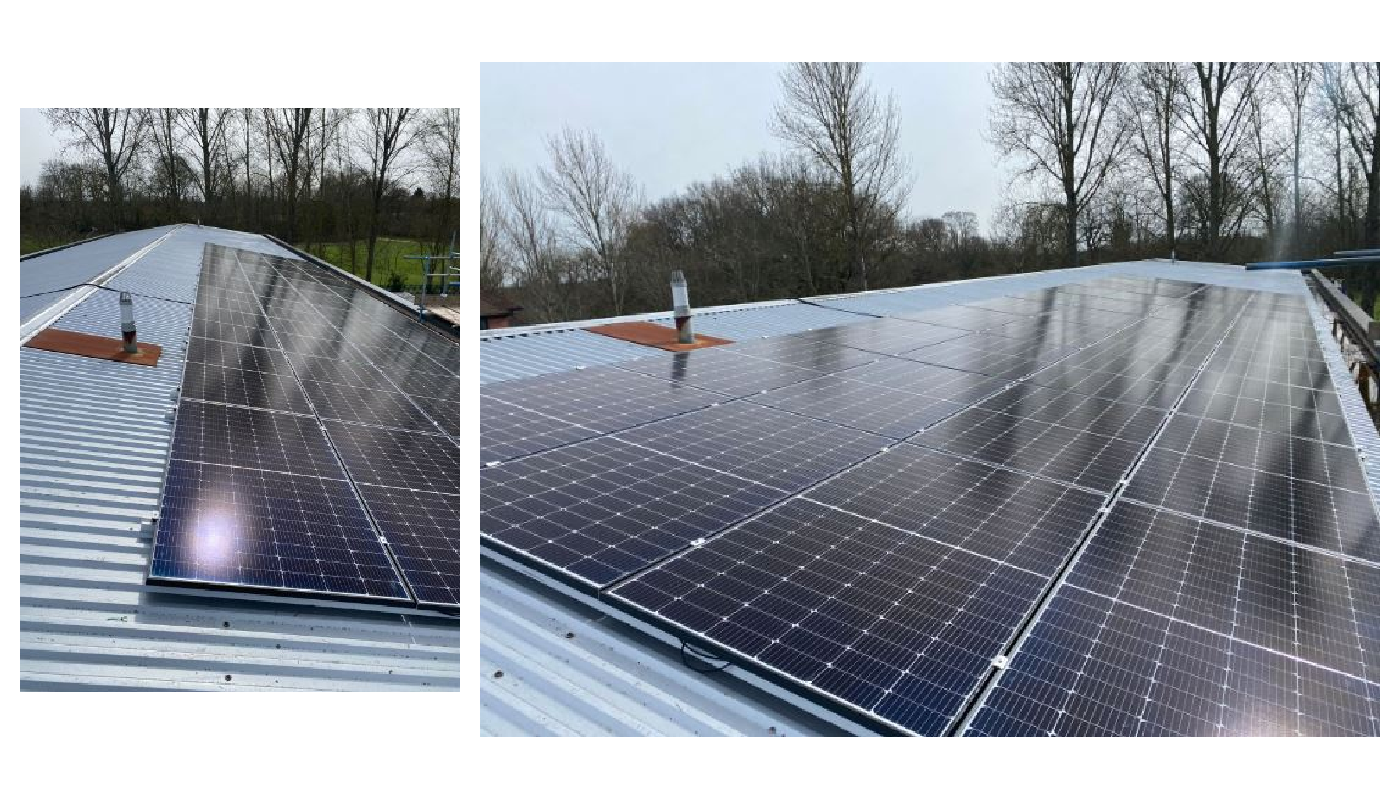
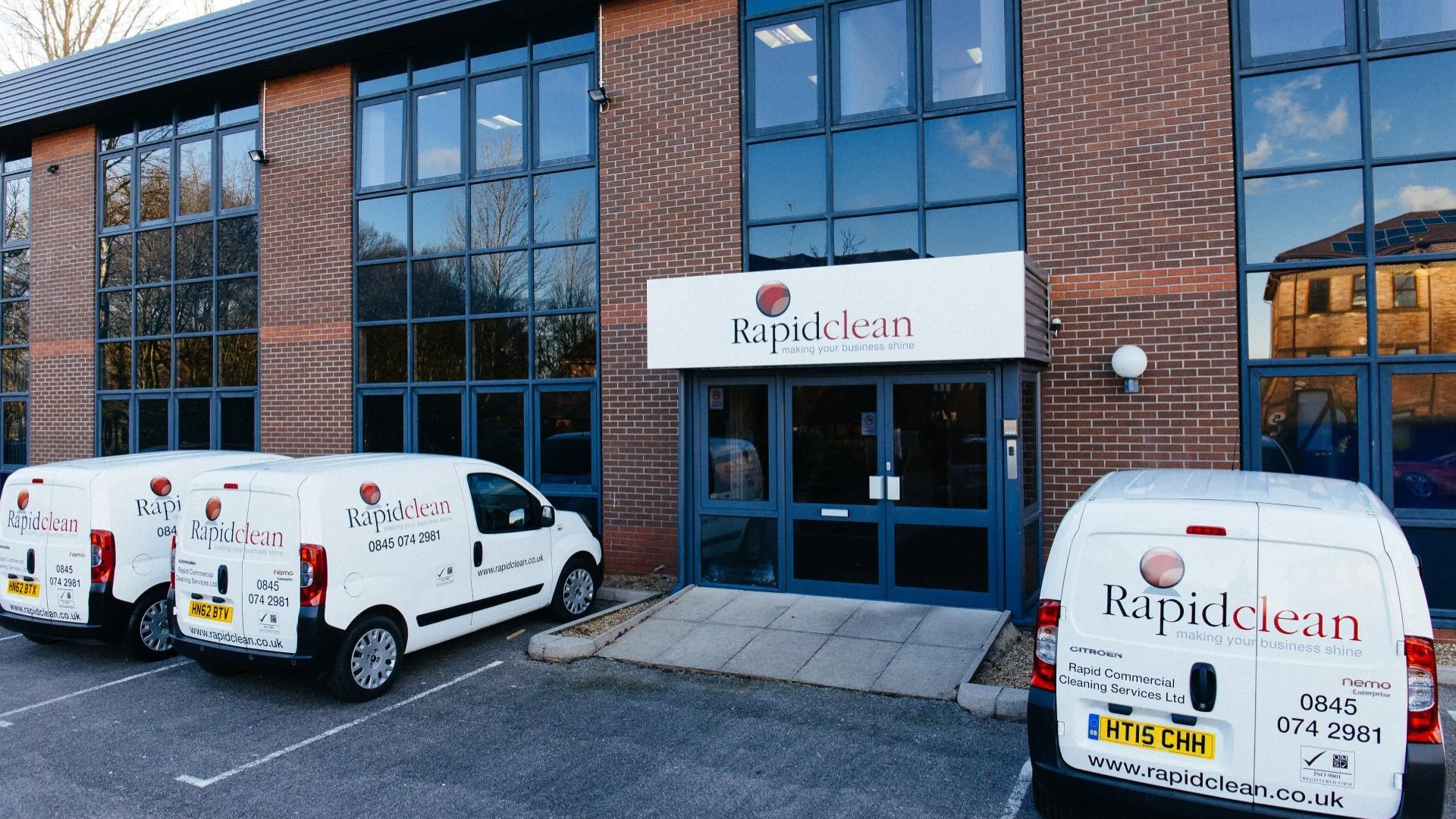
Solar panels were installed on our Wokingham head office building in April 2022. We checked to see how much our energy bill had been reduced by comparing April-Dec 22 with April-Dec 23. The results showed a massive 30% reduction in usage!
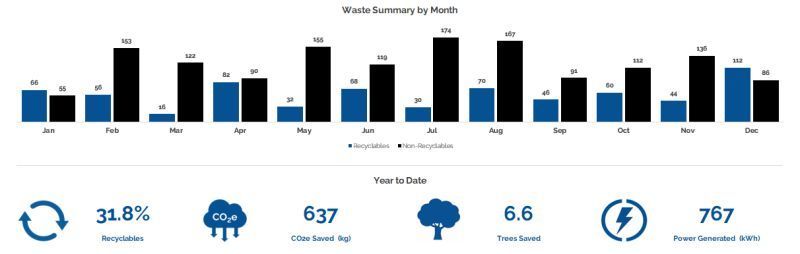
In addition, our task force has been focusing on improving our waste management scheme, particularly at head office. We were thrilled to receive a 2023 report from Grundon Waste Management, showing that in December 2023 (the month that we introduced more robust recycling measures) the amount of waste we recycled was almost equal to the amount of waste we were unable to recycle. Now to keep it up.
We have instructed an independent contractor, to assist us in calculating our current carbon footprint, with a view to putting together some workable goals to improve this over the coming months and years. Watch this space!