
Warehouse Cleaning Checklist: What Should be Included
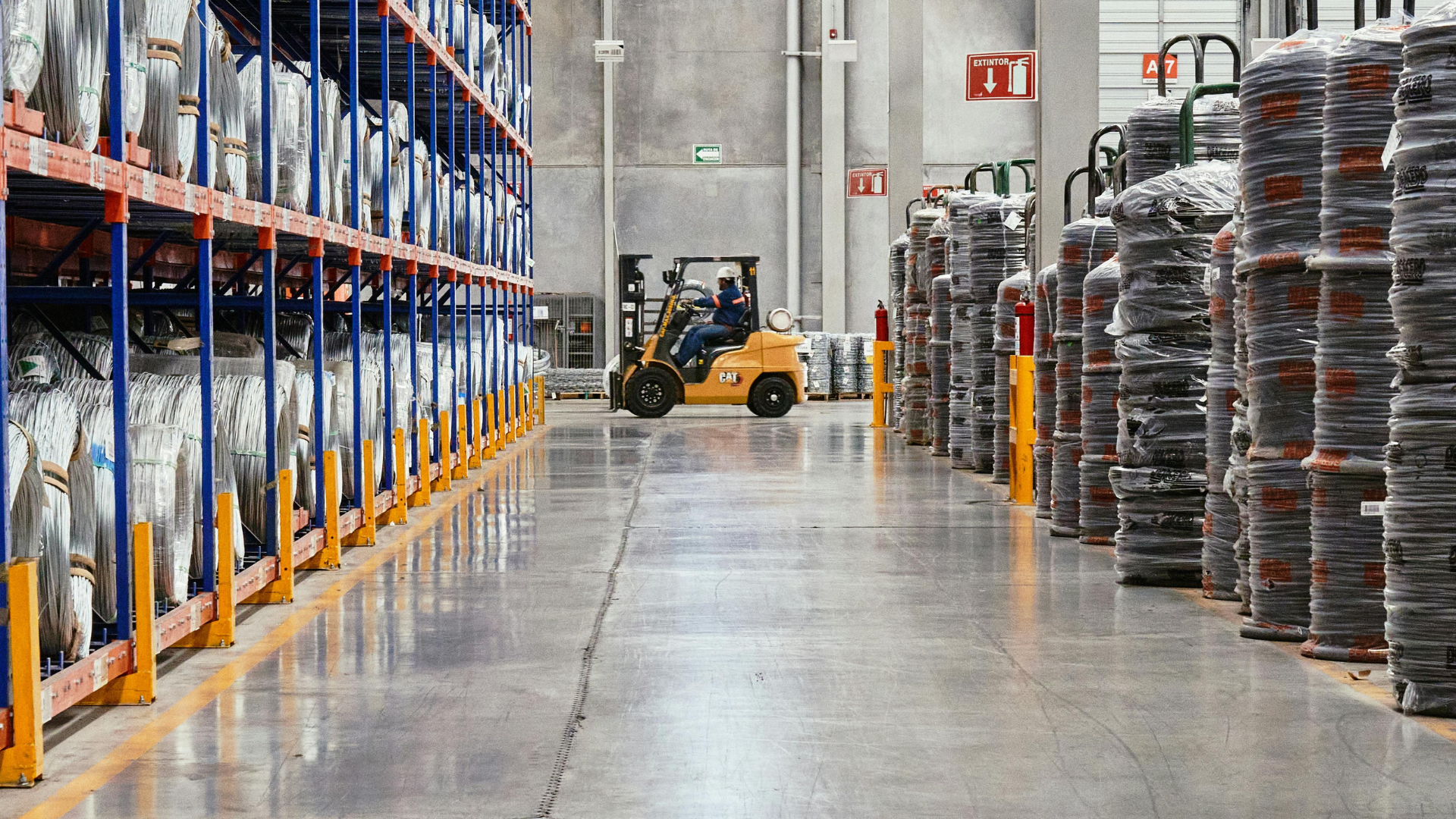
Warehouses are busy, high-use environments where cleanliness plays an important role in safety, efficiency, and day-to-day operations.
With regular deliveries, stock movement, machinery, staff activity, and large floor areas to manage, dirt and debris can build up quickly.
Without a clear cleaning routine, key areas can easily be missed.
A warehouse cleaning checklist helps ensure standards remain consistent across the site, supporting a safer, cleaner, and more organised working environment.
Why Warehouse Cleaning Matters
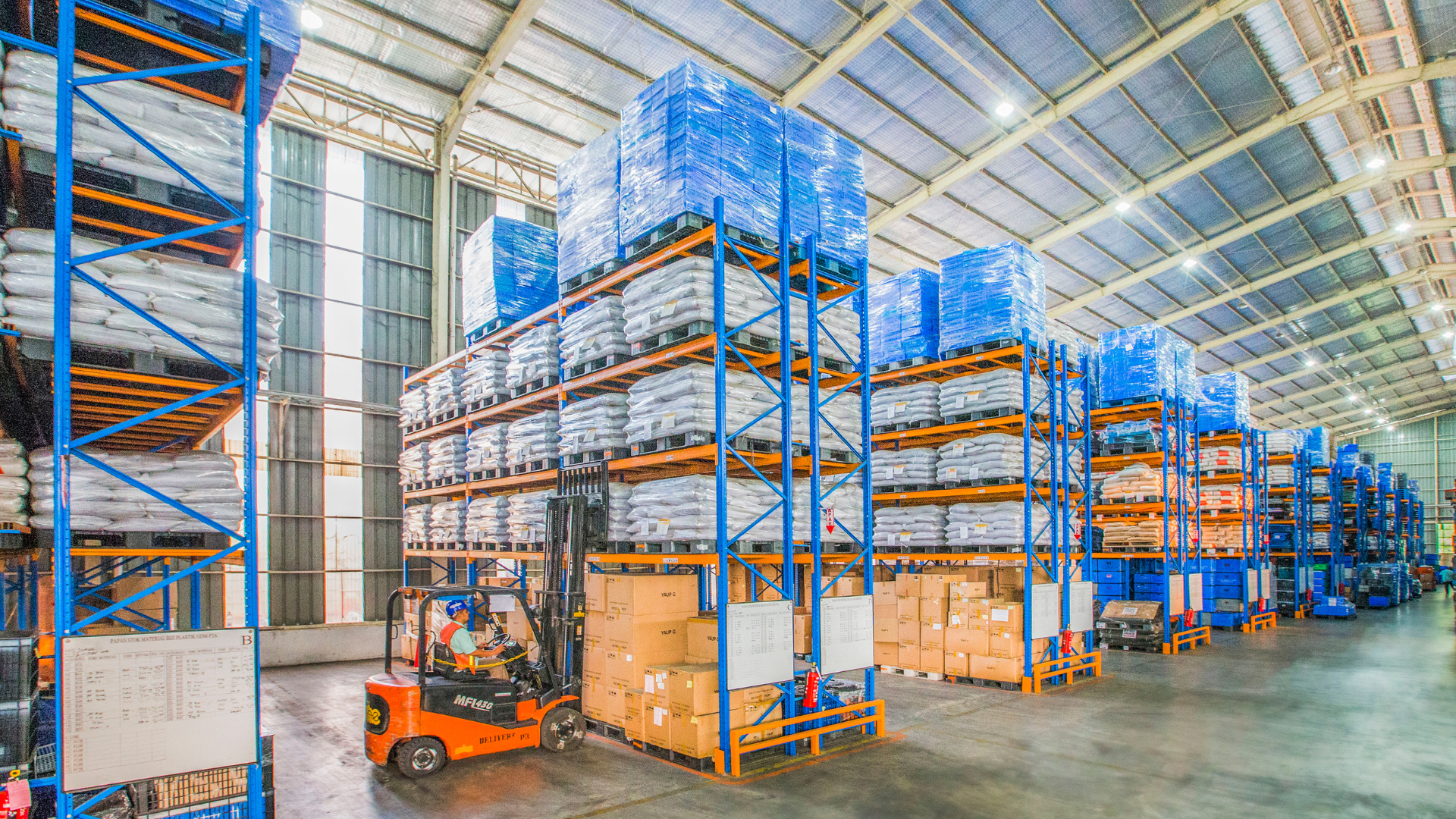
Warehouse cleaning is about more than keeping the space looking tidy. A clean warehouse helps reduce slip and trip hazards, keeps walkways clear, protects stock, and supports the safe movement of staff, vehicles, and equipment.
It can also improve day-to-day efficiency. When floors, workstations, storage areas, and staff facilities are properly maintained, teams can work more confidently and disruption is reduced.
A structured checklist helps make sure cleaning is carried out consistently, even during busy operational periods.
Floors, Walkways and Loading Bays
Floors are one of the most important areas in any warehouse cleaning checklist. They are exposed to constant movement from staff, trolleys, pallet trucks, forklifts, deliveries, and stock handling. Over time, dust, tyre marks, spillages, packaging waste, and debris can all build up.
Key areas to include are:
- Main warehouse floors
- Walkways and aisles
- Loading bays
- Goods-in and dispatch areas
- Entrances and exits
- Spill-prone areas
Keeping these spaces clean and clear helps reduce hazards and maintain safe access around the site.
Racking, Storage and Stock Areas
Racking and storage areas can easily collect dust and debris, especially where stock remains in place for long periods. Cleaning around shelving, pallets, picking areas, packing stations, and storage corners helps maintain a more organised environment and reduces the risk of dirt affecting stock or equipment.
Where possible, cleaning should be planned around daily operations to minimise disruption and protect goods.
"We have their team show up everyday and do a fantastic job on keeping our depot looking clean and tidy. They act quickly and rectify any concerns we raise, which is very rare."
IVECO, Farnborough (Hampshire)
Staff Areas, Offices and Washrooms
Warehouse cleaning should also include the spaces used by staff throughout the day. Break rooms, kitchens, offices, toilets, washrooms, lockers, and changing areas all need regular attention to maintain hygiene and comfort.
These areas should include cleaning of work surfaces, tables, sinks, taps, toilets, bins, doors, handles, and shared touchpoints. Keeping staff areas clean helps support wellbeing and creates a more professional working environment across the whole site.
High-Touch Points and Shared Equipment
In warehouse environments, many surfaces are used by multiple people throughout the day. Door handles, keypads, handrails, light switches, shared desks, clocking-in systems, machinery controls, equipment handles, and vehicle touchpoints should all be cleaned regularly.
Including these areas in the checklist helps support hygiene standards and reduces the risk of germs spreading across shared workspaces.
Waste Management and Spill Control
Waste can build up quickly in warehouses. Cardboard, plastic wrap, labels, pallets, and general waste should be managed carefully to prevent clutter and keep access routes clear.
Spill control should also be included in the checklist. Any liquid spillages, leaks, or product spills should be dealt with quickly to reduce slip risks and prevent damage to floors, stock, or equipment.
Periodic Deep Cleaning
Alongside daily and weekly cleaning tasks, warehouses also benefit from periodic deep cleaning. This may include high-level dusting, deep floor cleaning, racking areas, vents, ledges, machinery surrounds, and hard-to-reach corners.
These tasks can often be scheduled during quieter shifts, weekends, shutdown periods, or planned maintenance windows to reduce disruption.
How Rapid Clean Can Help
Rapid Clean supports warehouses and commercial facilities with structured cleaning plans designed around the way each site operates. Our teams understand the importance of maintaining standards without disrupting stock movement, staff activity, or daily operations.
From floors and loading bays to staff areas, washrooms, storage zones, and high-touch points, we provide reliable cleaning support that helps keep warehouses clean, safe, and operational.
Rapid Clean provides a wide range of commercial cleaning services for busy working environments, including support for warehouses, factories, offices, schools, and other commercial premises. You can also explore more about the types of sites we support on our What We Clean page.
Keep Your Warehouse Clean, Safe and Operational
A warehouse cleaning checklist helps ensure every key area receives the right level of attention. By focusing on floors, walkways, racking, staff facilities, shared equipment, waste points, and periodic deep cleaning, businesses can maintain a safer and more efficient working environment.
Contact Rapid Clean today to discuss a tailored warehouse cleaning solution for your site, or request a cleaning quote for your commercial premises.