
Cleaning Priorities for GP Surgeries, Clinics and Medical Centres
Cleaning in a healthcare environment requires a different approach from a typical commercial workplace. GP surgeries, clinics and medical centres bring together patients, healthcare professionals, visitors and support teams, often within busy spaces used continuously throughout the day.
Effective healthcare and medical cleaning is therefore about more than simply cleaning more frequently. The priority is understanding which areas require the greatest attention, when cleaning should take place and how consistently high standards can be maintained without disrupting the facility.
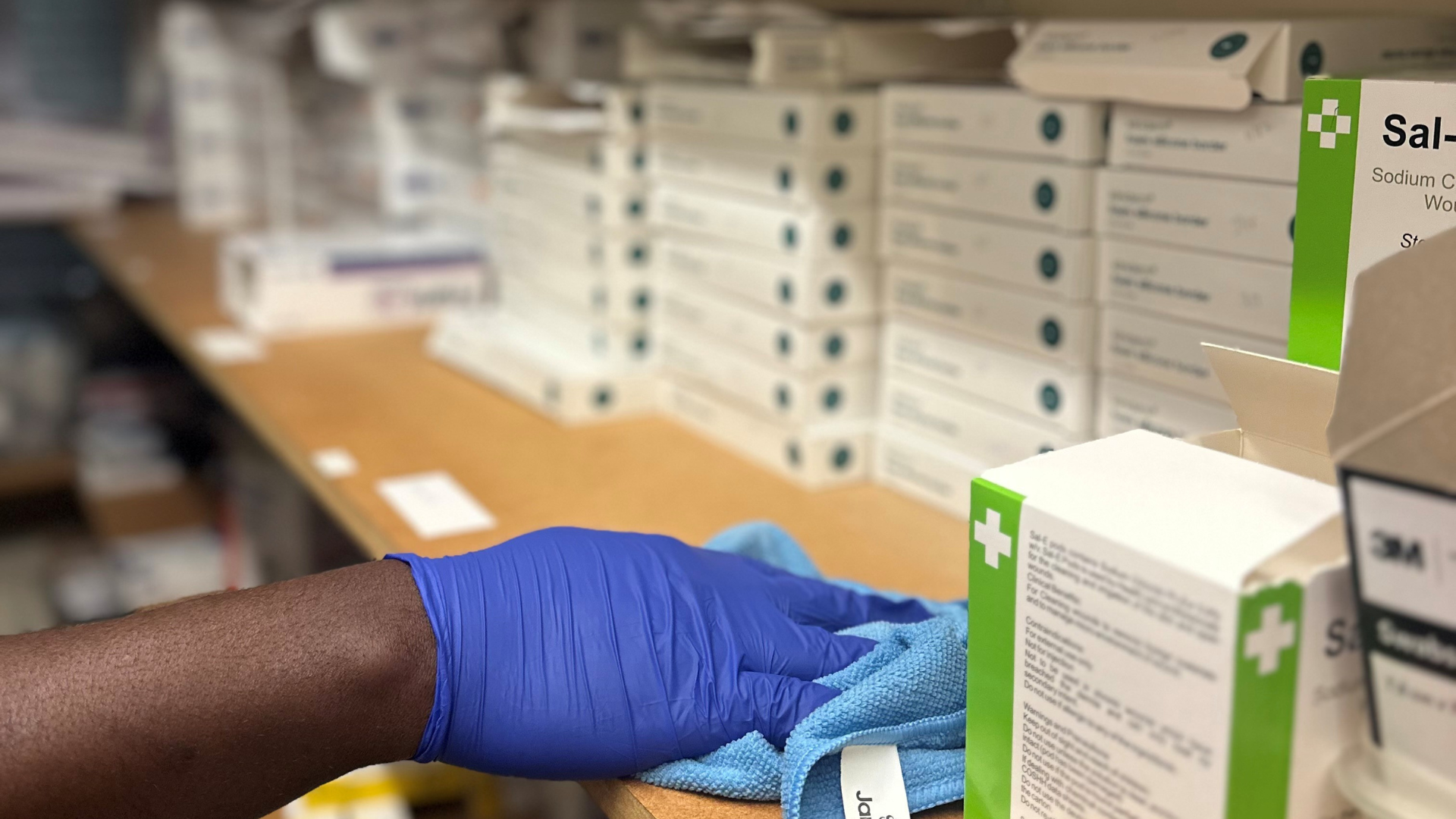
Prioritise Clinical and Treatment Areas
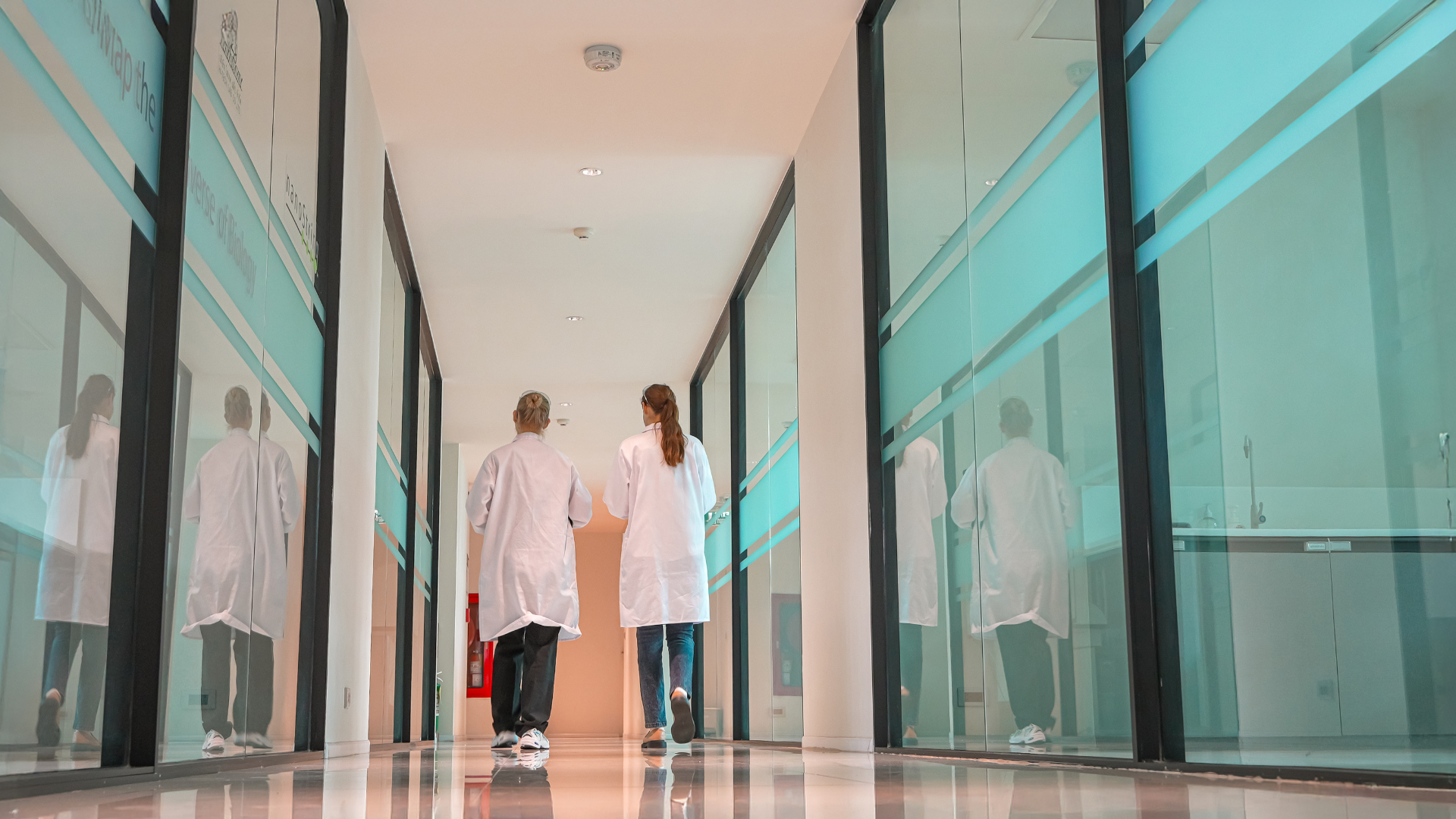
Consultation and treatment rooms naturally require particular attention because of their role in patient care. Surfaces, examination areas, touchpoints and floors need to be cleaned appropriately, with the cleaning team understanding the requirements of the environment they are working in.
A cleaning plan should reflect how these rooms are used throughout the day and fit around appointments and clinical activity. This is why specialist experience is particularly valuable when managing cleaning across medical centres, GP surgeries and other healthcare environments.
Focus on Frequently Touched Surfaces
Some of the highest-priority areas can also be among the easiest to overlook. Door handles, reception counters, light switches, handrails, taps and chair arms may be touched repeatedly throughout the day and can require more frequent attention than other surfaces.
Identifying these touchpoints within the cleaning specification helps ensure resources are focused where they are needed most. For a more detailed breakdown of areas to consider, our medical facility cleaning checklist provides a useful starting point.
Maintain Reception and Waiting Areas
Reception and waiting areas may not be clinical spaces, but they are often among the busiest parts of a healthcare facility. Seating, entrance doors, reception desks, floors and shared surfaces all need to be maintained consistently throughout the working week.
They are also usually the first spaces patients experience. A clean, well-maintained reception helps create a professional environment and provides visible reassurance that the wider facility is being cared for properly.
Keep Washrooms Consistently Maintained
Washrooms are another priority, particularly in busy facilities with a high volume of patients, staff and visitors. Cleaning frequency should reflect actual usage and peak periods rather than relying solely on a routine that may no longer match demand.
Alongside cleaning appropriate surfaces, consumables should be regularly checked and replenished, with any problems identified quickly. This keeps the space hygienic, presentable and ready for continued use throughout the day.
“Communication is good, any early issues were identified and rectified.”
- John Pounds Surgery & Sunnyside Medical, Hampshire
Don't Forget Staff and Shared Spaces
Clinical areas understandably receive significant attention, but staff kitchens, offices, corridors and shared workspaces also form part of the overall cleaning requirement.
A strong cleaning plan considers the facility as a whole while assigning the right level of attention to each area. This prevents less visible spaces from gradually falling below the standard maintained in patient-facing parts of the building.
Work Around the Facility
Cleaning should support the operation of a healthcare facility rather than interfere with it. Appointment times, opening hours, patient movement and staff routines should all influence when different tasks are completed.
Some cleaning may be better suited to quieter periods or outside opening hours, while busy areas may require additional attention during the day. A flexible approach allows standards to be maintained while minimising disruption for patients and healthcare teams.
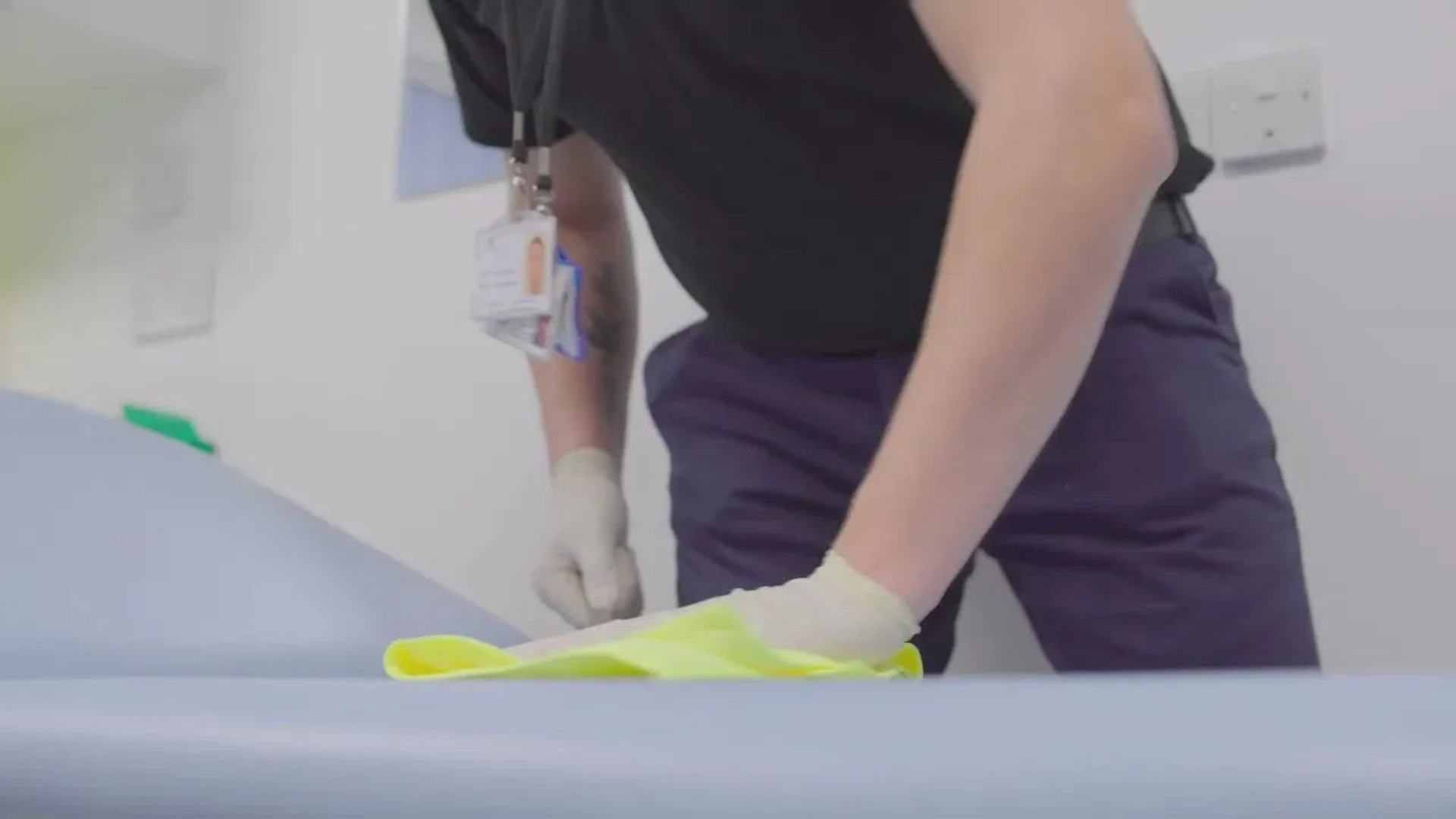
Review Priorities as Requirements Change
A cleaning programme should not remain static. Patient numbers, opening hours, layouts and the way individual spaces are used can all change over time, making regular reviews important.
Cleaning audits provide an opportunity to assess standards, identify areas requiring additional attention and ensure the original specification still reflects the needs of the facility. This approach also supports the wider principles outlined in the National Standards of Healthcare Cleanliness.
A Healthcare Cleaning Service Built Around Your Facility
The most effective healthcare cleaning programmes prioritise according to risk, usage and the practical demands of the site. Clinical rooms, high-touch surfaces, waiting areas, washrooms and staff spaces all require consideration, but not necessarily in the same way or at the same frequency.
Rapid Clean provides professionally managed cleaning services for GP surgeries, clinics, medical centres and other healthcare environments, with cleaning programmes shaped around the requirements of each facility.
Are Your Cleaning Priorities Still Right for Your Facility?
As healthcare environments change, cleaning requirements can change with them. If you are reviewing your current arrangements, Rapid Clean can assess your site and help develop a cleaning programme that focuses resources where they are needed most.
Request a site survey or cleaning quote to discuss your healthcare cleaning requirements with the Rapid Clean team.